
Where to buy cheese curds
The best fresh cheese curds in the United States are made in Wisconsin and shipped direct from family-owned creameries via 2-day air with cold-pack insulation. Grocery stores stock cheese curds in dairy-state regions but availability and freshness vary widely. Festivals, farmers markets, and creamery retail stores remain the gold standard if you can visit. Here's how to find them.
For the squeak that defines fresh cheese curds, you want them within days of being made. There are four reliable ways to make that happen.

Option 1: Order direct from a Wisconsin creamery (best for freshness)
The most reliable path to truly fresh, squeaky cheese curds anywhere in the United States is to order direct from a Wisconsin family creamery. Most established producers ship via UPS or FedEx 2-day air, using insulated cold-pack packaging with ice packs or dry ice. Curds typically arrive within 2-4 days of being made.
The NCCD recommended cheese curds lists verified Wisconsin creameries with ship-direct programs. A few well-known producers serving national customers:
When ordering direct, check each creamery's shipping schedule. Most ship Monday through Wednesday to ensure delivery before the weekend (carriers don't move perishables over the weekend). Many offer subscription programs and gift options.
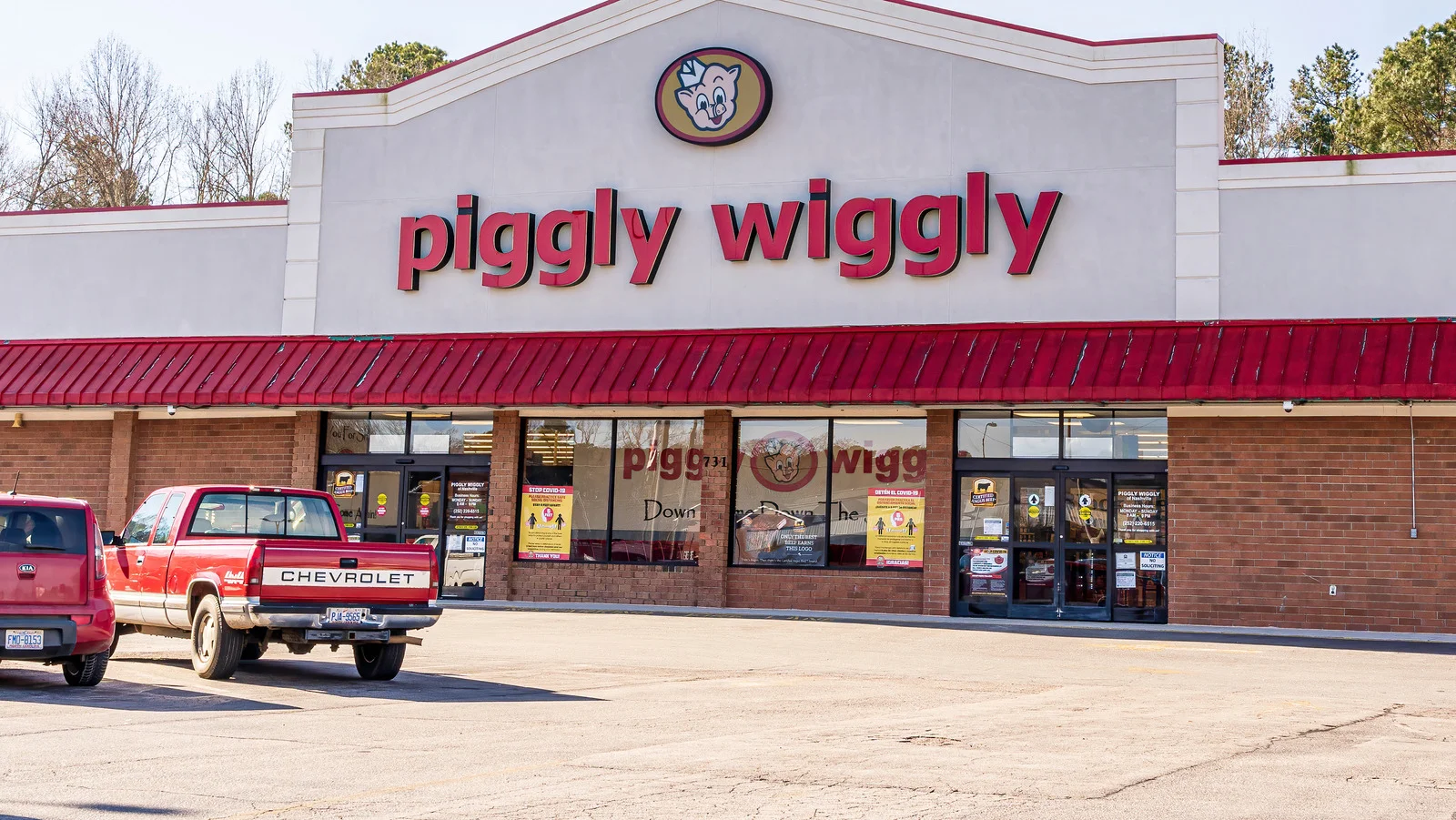
Option 2: Major retail chains (varies by region)
Grocery store availability is highly regional. The general pattern:
- Upper Midwest (WI, MN, IA, ND, SD, IL, MI): Cheese curds are reliably stocked at most major chains. Look for them in the specialty cheese case or dairy section. Brands you'll commonly see include Tillamook (a Pacific Northwest cooperative now distributed widely), Henning's, Ellsworth, BelGioioso, and various regional cooperatives.
- Mountain West and Pacific Coast: Inconsistent. Some Whole Foods, Trader Joe's, and Sprouts locations carry curds; many don't. Tillamook curds are most reliably available.
- Northeast and South: Rare in standard supermarkets. Specialty cheese shops are more likely to carry curds, often from regional producers or shipped from Wisconsin.
- Costco: Stocks fresh cheese curds in some Midwestern warehouses; check before driving.
Grocery store reality check: Cheese curds in a grocery store cooler have usually been in transit and storage for at least several days, sometimes weeks. Squeak fades fast (here's how long cheese curds stay fresh). The curds will still be perfectly edible and taste fine, but if you're chasing the textbook squeak experience, direct-from-creamery shipping beats the grocery cooler nearly every time.

Option 3: Farmers markets and creamery retail
If you live within driving distance of Wisconsin, Minnesota, or northern Illinois, visiting a creamery's on-site retail store is the most direct path to truly fresh curds. Many Wisconsin creameries package curds the same morning they sell them; you can often watch through observation windows as cheesemakers work.
Farmers markets across the Upper Midwest frequently feature dairy stands with fresh curds. The Dane County Farmers' Market in Madison (one of the largest producer-only markets in the country) typically has multiple cheese curd vendors year-round. State capital and major-city markets across Wisconsin reliably have curd vendors during peak season (May through October).
Wisconsin cheese festivals are concentrated opportunities. The Wisconsin State Fair, Cheese Curd Festival in Ellsworth, Curd Fest in Plymouth, and many smaller community events feature multiple producers in one place.
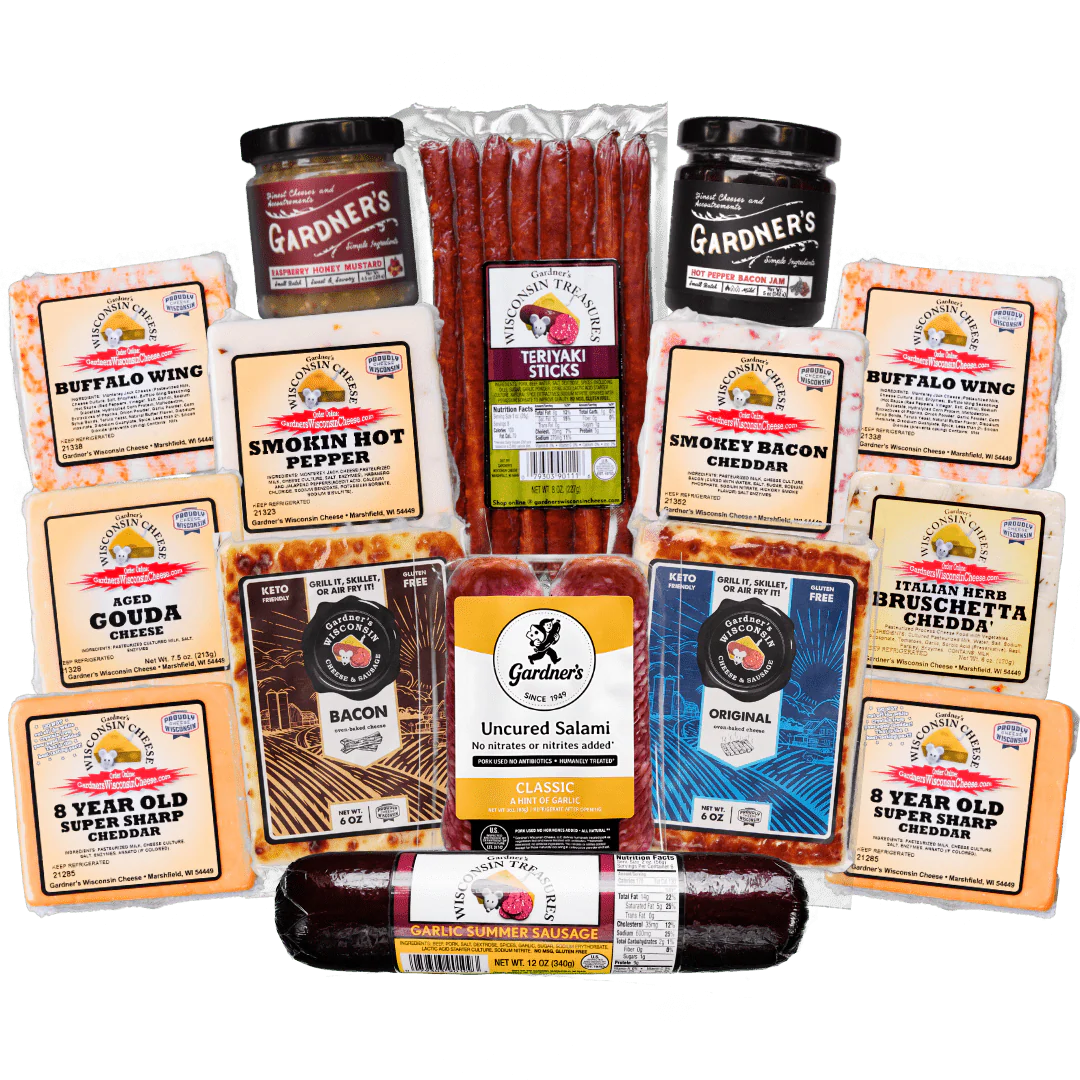
Option 4: Specialty cheese subscription boxes
A growing category of monthly cheese subscription services delivers curated boxes of artisan cheeses, sometimes including fresh cheese curds. These work well as a gift or for cheese explorers but are typically more expensive per pound than ordering direct from a single creamery.
When considering a subscription, check whether they actually ship cheese curds (many specialize in aged cheeses), and whether they ship them with appropriate refrigeration. Curds are perishable; subscription services that ship by ground without sufficient cold-pack are not reliable for curd freshness.
What to look for when buying cheese curds
Whatever channel you buy through, a few quality markers worth checking:
- Make date or sell-by date. Closer to the make date is better. The squeak peak is roughly the first 7-14 days after production.
- Refrigeration history. Curds should have stayed under ~40°F continuously. Brief warmth (a long unrefrigerated checkout line, a hot car) accelerates loss of squeak even if the curds remain safe to eat.
- Texture in the bag. Fresh curds should look slightly glossy, not dry or cracked. If the bag has visible whey weeping in the corners, that's actually a good sign — the curds are still releasing moisture.
- Ingredient list. Look for: pasteurized milk, cheese cultures, salt, enzymes (rennet), and optionally annatto for color. Anything else is unusual for a fresh curd.
- Producer transparency. Family-owned creameries that name their farms or list their location on the package generally indicate a producer committed to quality.
A word on shipping during summer
Cheese curds ship year-round, but summer adds complexity. Reputable creameries adjust their packaging for summer heat: more ice packs or dry ice, faster shipping methods, and sometimes pause shipments during extreme weather. If you're ordering curds from a Wisconsin creamery in July or August, choose 2-day or overnight shipping and have the package go to an address where someone can put it in the refrigerator on arrival.
Most direct-shipping creameries will replace any order that arrives in unacceptable condition; contact the creamery's customer service if curds arrive warm or visibly compromised.
Frequently asked questions
Where can I buy fresh cheese curds near me?
If you live in Wisconsin, Minnesota, Iowa, or another Upper Midwest state, check major grocery chains, farmers markets, and on-site creamery retail stores. Outside the Upper Midwest, the most reliable path to fresh curds is ordering direct from a Wisconsin creamery via 2-day air shipping. Some Whole Foods, Sprouts, and Costco locations stock curds; availability is regional.
Can you ship cheese curds?
Yes, and most Wisconsin creameries do. Standard practice is 2-day air shipping (UPS or FedEx) with insulated cold-pack packaging including ice packs or dry ice. Curds arrive cold and fresh, typically within 2-4 days of being made.
How long do fresh cheese curds last?
Refrigerated, sealed cheese curds typically stay fresh and safe for about 2-3 weeks past the make date. They remain safe longer but lose their characteristic squeak after 1-2 weeks. For maximum squeak, eat them within 7-10 days of being made.
Are cheese curds at the grocery store as good as creamery direct?
They're safe and taste fine, but grocery cooler curds have usually been in transit and storage for at least several days. The squeak peak is the first 7-14 days after production, so curds that have been in distribution centers for a week or more will generally squeak less. For the maximum-squeak experience, direct shipping wins.
Does Whole Foods sell cheese curds?
Some Whole Foods locations stock cheese curds in the specialty cheese section, but availability varies significantly by region. Whole Foods stores in the Upper Midwest are more likely to carry curds than locations on the coasts. Call ahead before driving.
How much do shipped cheese curds cost?
Prices vary by creamery and order size, but a typical 1-pound order of fresh cheese curds shipped 2-day air ranges from $25-45 including shipping for delivery to most US zip codes. Larger orders bring per-pound cost down. Subscription programs sometimes offer better rates.
Ship-direct curds straight to your door.
Skip the grocery cooler. Order from Wisconsin cheese curd brands that pack and ship within hours of making the curds.